You can contact us 24/7 ā¶ļø +974 3377 1616
The best discounts this week
Every week you can find the best discounts here.
Cricket is more than just a gameāit’s a global phenomenon with deep historical roots. Originating in the late 16th century in southeast England, cricket has grown into the second most-watched sport in the world, trailing only football. From its rustic beginnings with curved bats and underarm bowling to the high-speed dynamics of modern ODIs and T20s, cricket’s evolution reflects both tradition and innovation. At the heart of this journey stands iconic figures like W.G. Grace, revolutionary moments like the birth of Test cricket in 1877, and the groundbreaking rise of womenās cricket in the 20th century. This blog explores the fascinating development of cricketāfrom muddy English fields to international stadiums packed with passionate fans.
History of Cricket: A Gentleman’s Game with a Global Reach
The sport of cricket has a known history beginning in the late 16th century. Having originated in south-east England, it became the country’s national sport in the 18th century and has developed globally in the 19th and 20th centuries.
The Father of Cricket: W.G. Grace
William Gilbert Grace, often called the father of cricket, was a towering figure in the sport’s early years. His career spanned from the late 19th to early 20th century, playing for Gloucestershire, MCC, and London County. In Tests, he scored 1,098 runs with an average of 32.29 and took 9 wickets. However, his dominance in first-class cricket was unprecedented, with over 54,000 runs and nearly 2,900 wickets, making him a symbol of early professionalism in cricket.
The Start of International Cricket
The first officially recognized Test match was played in 1877 between England and Australia. This series laid the foundation for structured international competition. Earlier, the first recorded international cricket match took place in 1844 between the USA and Canada. Today, cricket is the second most popular sport in the world, followed only by football in terms of viewership.
Etymology: The Name āCricketā
The name āCricketā is believed to derive from the Middle Dutch phrase “met de krik ket sen” which translates to “with the stick chase”. This origin highlights cricket’s ancient European roots and links to stick-and-ball games of the medieval period.
The Birth of Test Cricket and The Ashes
In 1877, England toured Australia and played what is now regarded as the first official Test match. This was followed by Australia’s tour of England in 1878. In 1882, Australia defeated England at The Oval, prompting a satirical obituary in a British newspaper that the English cricket had died, and “the body will be cremated and the ashes taken to Australia.” Thus, the legendary Ashes series was born.
Bowling Evolution: From Skirts to Seam
Early bowling was underarm, but as styles evolved, roundarm bowling emerged. A popular myth credits Christina Willes, who modified her action to avoid her skirts, influencing this transition. In reality, Tom Walker was the pioneer of roundarm bowling in the 1790s, paving the way for modern overarm deliveries.
Introduction of Limited-Overs Cricket
The first-ever One Day International (ODI) was played in 1971 at the Melbourne Cricket Ground. It was an ad hoc solution after a washed-out Test match but turned into a major success. Since then, ODIsāand later, T20sāhave revolutionized the game, bringing shorter, more thrilling formats that appeal to a wider audience.
Technological Advancements: The Third Umpire
In 1992, the third umpire system was introduced during the India vs. South Africa series to adjudicate run-out decisions using TV replays. Over time, it expanded to stumping, boundaries, and Decision Review System (DRS) using technologies like Hawk-Eye and Hot Spot, although some decisions still spark debate.
The Rise of Womenās Cricket
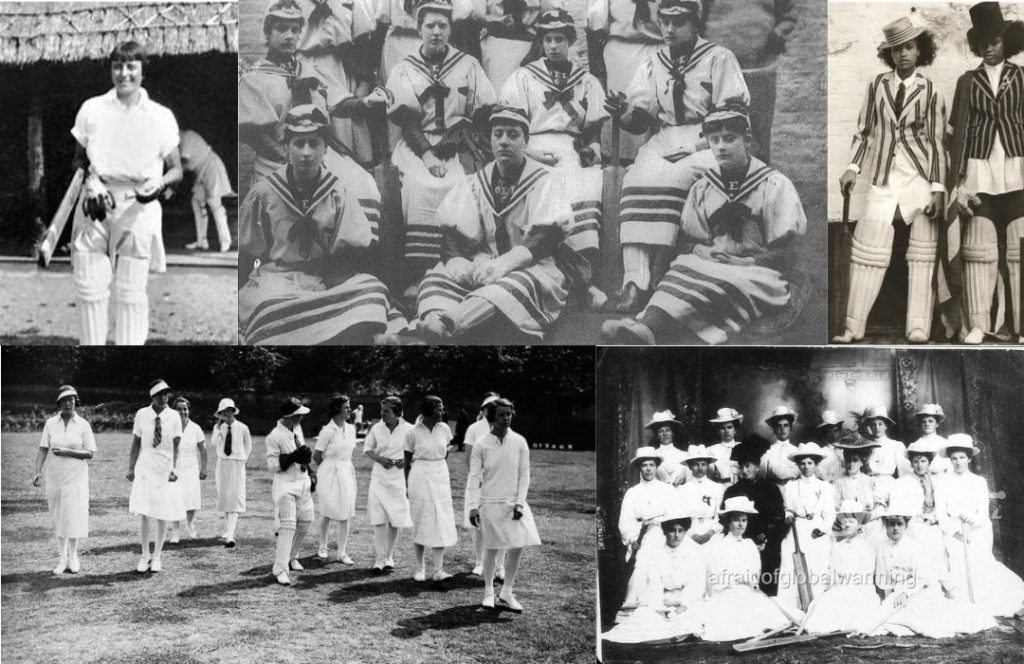
The Women’s Cricket Association was founded in 1926, and the first Women’s Test match was played in 1934 between England and Australia. The modern era began in 2005, when the International Women’s Cricket Council merged with the ICC. The 2009 ICC Womenās World Cup was the first under full ICC oversight and saw England emerge victorious.
Early History of the Cricket Bat
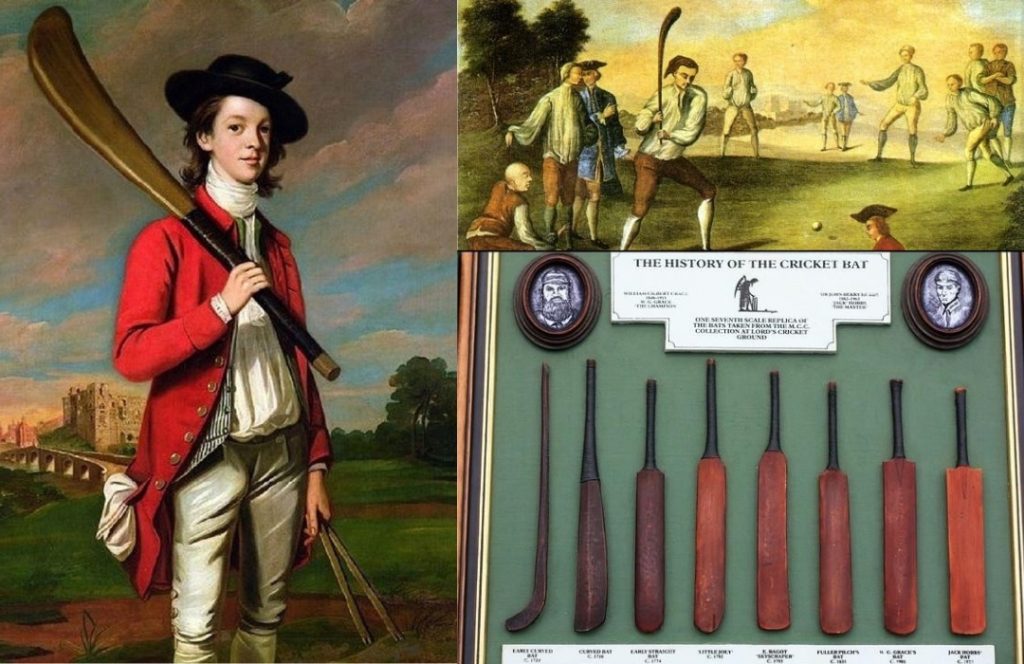
Cricket was originally played using a hockey-stick-like bat, designed for underarm bowling. As bowlers began bouncing the ball, a straight bat became necessary. By the late 18th century, the straight bat was standardized and remains in use today.
The Evolution of the Cricket Bat
Modern cricket bats are crafted from English willow, with a cane handle and a flat blade. As of 1979, laws mandate that bats must be made entirely of wood. The classic V-shaped back helps with both power generation and shock absorption.
The Science Behind the Bat Design
The V-joint design allows the bat to better absorb impact, reducing the risk of injury and bat breakage. Without this feature, most of the energy would transfer directly to the batterās hands, causing fatigue or damageāespecially under fast deliveries.
Knocking-In the Bat
New cricket bats require āknocking-ināāa process where the bat’s face is compressed to prevent cracking under real match conditions. This is typically done using a wooden mallet or a cricket ball mallet, ensuring the surface is match-ready.
Modern Bat Sizes and Classifications
Cricket bats today are categorized by height, age group, and skill level. While adult bats must not exceed 38 inches in length or 4.25 inches in width, junior and training bats follow different sizing standards to suit players at all levels.
Cricket for Everyone: Bravo Cricket Academy
Bravo Cricket Academy promotes cricket as a sport for all ages and genders. Whether youāre looking to play professionally or just for fun, the academy offers structured coaching, friendly matches, and cricket education programs in Qatar.
š +974 33771616 / 33987755
š§ info@bravo-cricketacademy.com
š www.bravocricketacademy.com